What Can You Do About a Past Criminal Charge in Florida
What Can You Do About a Past Criminal Charge in Florida
A single criminal charge can follow a person for years, even when the case ended without a conviction. Background checks for jobs, housing, school admissions, and professional licenses often reveal old records that no longer reflect who you are today. Many Florida residents in St. Petersburg, Clearwater, Largo, Seminole, and Pinellas Park are surprised to learn that they may have legal options to limit or remove public access to those records.
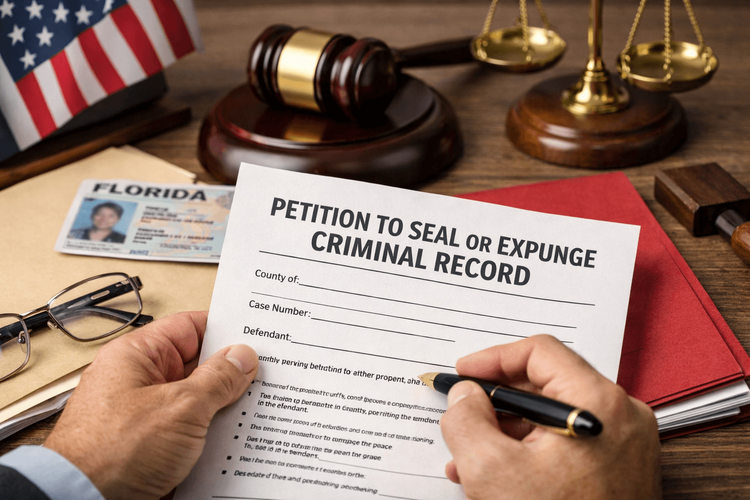
Florida law provides two primary paths for relief: sealing a record or expunging a record. These processes do not apply to every case, and eligibility rules can be strict. Understanding the difference between the two and knowing the correct steps can help you protect your future opportunities.
Barnett & Woolums regularly guides Tampa Bay clients through this process with clear advice and realistic expectations. The goal is not to rewrite history but to prevent an old mistake from defining the rest of your life.
What is Sealing or Expungement in Florida
Sealing and expungement are legal procedures that restrict who can see a criminal case file. When a record is sealed, it still exists but is removed from public view. Only certain government agencies and courts can access it. When a record is expunged, the physical file is destroyed and most agencies must treat the case as if it never occurred.
Neither option automatically happens when a case ends. Even a charge that was dismissed or dropped by prosecutors remains visible unless you take action. Online databases and private background check companies often continue to display these records long after the court case is over.
Florida requires individuals to apply through the Florida Department of Law Enforcement and then petition the court in the county where the case occurred. For residents of Pinellas County and surrounding Tampa Bay communities, this means working with local courts and following specific procedural rules.
How Florida Courts Evaluate Eligibility
The first step is determining whether you qualify. Florida law sets clear requirements that apply statewide. Generally, a person may be eligible for expungement if the case ended with no conviction and the State filed a No Information, entered a Nolle Prosqui, or the judge dismissed the charge. You must also have no prior criminal convictions and must not have previously sealed or expunged another record, with limited exceptions.
Sealing has slightly different rules. A person may qualify if adjudication was withheld or if the case was resolved through a pretrial intervention program that ended in dismissal. Like expungement, you cannot have prior convictions or earlier sealed records.
Certain offenses are not eligible even when the case ended favorably. Florida excludes specific serious charges from sealing. Each situation requires a careful review of the court disposition, the charging document, and your full criminal history.
The court also considers whether the paperwork is complete and whether proper notice was given to the State Attorney. Judges expect strict compliance with filing rules, and small errors can cause months of delay.
Common Mistakes People Make
- Assuming a dismissed case automatically disappears from background checks
- Filing for expungement when the case only qualifies for sealing
- Ignoring old traffic or out of county cases that affect eligibility
- Using incomplete criminal history reports
- Missing required certificates from the Florida Department of Law Enforcement
- Believing private websites will update without a court order
- Waiting too long and losing important case documents
These mistakes can lead to rejected applications or unnecessary expense. Many people attempt the process alone only to discover that one incorrect form restarts the entire timeline.
Practical Next Steps
- Obtain a complete copy of your criminal history from reliable sources
- Confirm the final disposition of every charge in the case
- Determine whether you need sealing or expungement
- Request the required certificate of eligibility
- Prepare a petition with supporting documents
- File in the correct Pinellas County court division
- Serve the State Attorney and attend any scheduled hearing
Taking these steps in the right order saves time and reduces stress. Our office explains each stage so clients know what to expect and how long the process may take.
Why This Matters in Tampa Bay
The Tampa Bay area has a competitive job market with major employers in healthcare, tourism, defense, and technology. Background checks are common for positions at hospitals, schools, military contractors, and professional services. A record from years ago in Clearwater or St. Petersburg can still appear when applying for housing in Largo or Seminole.
Local colleges and vocational programs also review criminal history before admission to certain fields. Parents involved in family law matters may worry about how an old charge could affect time sharing decisions or volunteer opportunities at their child’s school.
Sealing or expunging a record can open doors that have been closed for too long. While the process cannot guarantee a specific result with employers, it significantly improves privacy and peace of mind.
E-E-A-T and Important Limitations
The information in this article is general education about Florida law and does not create an attorney client relationship. Every case is different, and eligibility depends on the exact court outcome and your full history. Laws can change, and procedures vary by county.
Only a licensed Florida attorney can evaluate your specific record and advise whether you qualify. We cannot promise that any employer, landlord, or licensing board will ignore a sealed record. Our role is to guide you through the legal process accurately and ethically.
How Barnett & Woolums Helps
Barnett & Woolums assists clients across Pinellas County with sealing and expungement at a clear flat rate plus costs. We review the original case, confirm eligibility, obtain required certificates, and prepare all filings. Clients receive honest advice before spending time or money on a process that may not fit their situation.
If you are ready to move forward, call 727-525-0200 to discuss your record and learn the next steps. A short conversation can clarify whether relief is possible and how long it may take.
Frequently Asked Questions
What is the difference between sealing and expungement?
Sealing hides the record from the public but allows certain government agencies to view it. Expungement requires destruction of the file and offers a higher level of privacy. Eligibility rules determine which option is available.
Can I deny the charge ever happened after expungement?
Florida law allows you to lawfully deny the existence of an expunged record in most situations. Some exceptions apply for government employment, licensing, or contracting.
How long does the process take in Pinellas County?
Timelines vary based on state processing of the certificate and court schedules. Most cases take several months from start to finish.
Do I qualify if the charge was dismissed?
Many dismissed cases qualify for expungement, but only if there was no prior conviction and other requirements are met. The final disposition language is important.
Will private websites remove my information?
A court order requires official databases to update, but private companies may need separate requests. We explain how to address these after relief is granted.
Can juvenile records be sealed?
Juvenile cases follow different rules and often have broader confidentiality. Eligibility depends on the offense and the outcome.
What if I moved out of Florida?
You can still petition in the county where the case occurred even if you now live elsewhere. Representation can often be handled without travel.
Does sealing affect family law matters?
Sealing can improve privacy, but courts in custody cases focus on current parenting ability and safety rather than public records alone.
What costs are involved?
Expenses include state fees, fingerprinting, and court costs in addition to attorney fees. We explain all charges in advance.
Can more than one case be sealed?
Florida generally allows only one sealing or expungement in a lifetime with narrow exceptions. Careful planning is essential.
If you want to learn whether your charge qualifies, contact Barnett & Woolums at 727-525-0200. We serve St. Petersburg, Clearwater, Largo, Seminole, Pinellas Park, and the entire Tampa Bay community with respectful and practical guidance.
About the Author
Erin E. Woolums
Need Legal Assistance?
If you're facing a family law matter, our trusted attorneys are here to help. Contact us today for a consultation to discuss your specific situation.